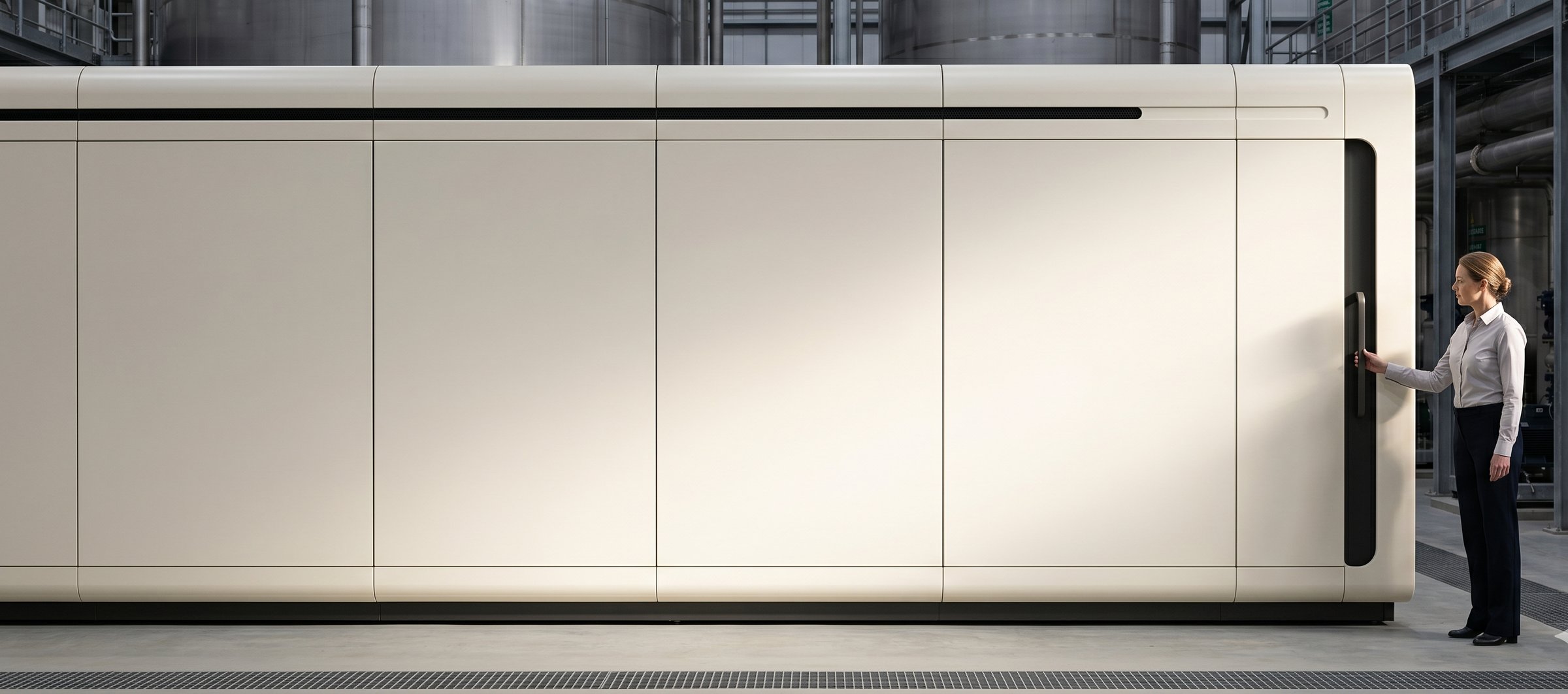
MicroLink pod in an industrial plant, person for scale
Partner Offer · The District Heat Pod

An extra 2 MW
of compute that
heats the town

A repeatable pod dropped behind a district energy site. It computes, and returns the heat to the network.

NVIDIA · Vertiv · Hydra Host · IDEA
Scroll
01 / The ChipMicroLink

The most valuable heater ever built. It just happens to compute first.

A chip turns almost 100% of the power it draws into heat. Every data center today throws that heat away. We treat it as a second product.

A boiler has one output, and you buy fuel for it. A chip gives you two from the same watt: the compute you sell, and the heat you can use. Free heat, on power you already paid to compute with.

100%
Almost every watt leaves the silicon as heat. The only question was whether anyone caught it.
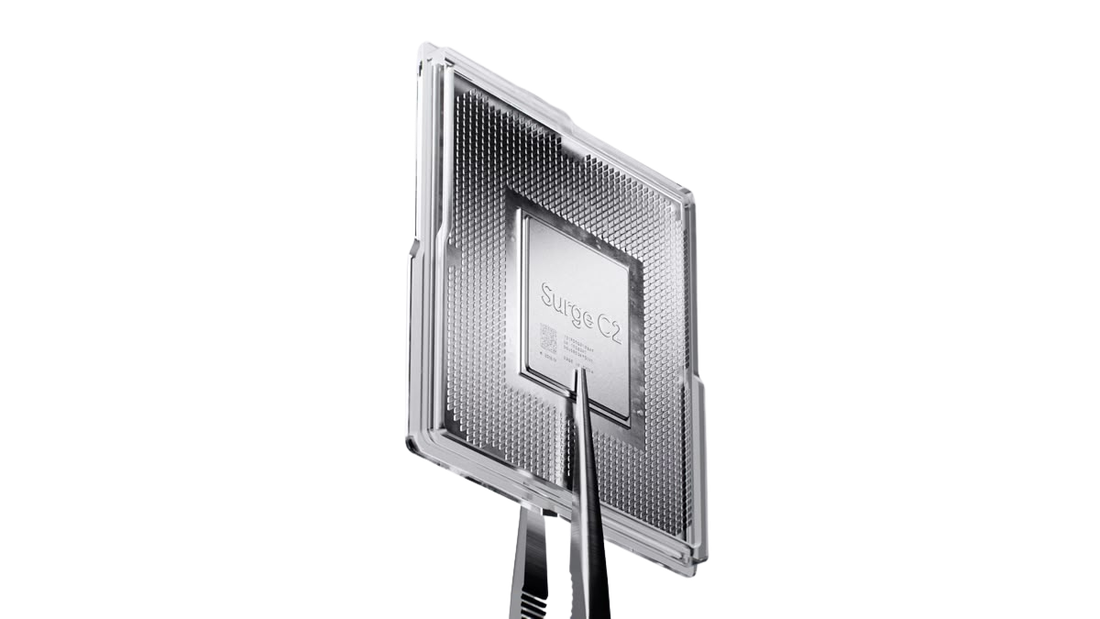
Surge C2 chip
02 / Liquid CoolingThe opening

The industry is moving to liquid. That is the opening.

Racks are outgrowing what air can cool, and air dumps low grade heat near 35°C (95°F) that nobody wants. Liquid pulls heat straight off the silicon, and captures it at 45 to 70°C (113 to 158°F), warm enough for district heating and process loads.

MicroLink pod cutaway showing GB300 racks, switchgear and busway

MicroLink and Vertiv designed our Edge pod infrastructure together, 800 V DC capable and ready.

03 / ArchitectureThree loops

Three loops. One of them is always open.

Three loops carry heat from the chip to where it is needed. The third one always has somewhere to go, so the compute never waits and the partner is never the bottleneck.

Cooler Idle
L1 SERVER LOOP L3 HOST DELIVERY EXCH A EXCH B SERVER RACK MICROLINK COOLER Cooler idle DIGESTER 38 °C (100 °F) 15.5 °C (60 °F) 65 °C (149 °F) 31 °C (88 °F) 18 °C (64 °F) 38 °C (100 °F) HOLD 37 °C (99 °F)
Loop 01

Off the silicon

Cold plates pull heat straight off the chip, at the density modern racks demand.

Loop 02

Across the site

The CDU moves that heat through to the facility heat exchangers, clean and contained.

Loop 03

To the partner

Heat goes to the partner who needs it. When demand drops, the dry cooler rejects it instead.

04 / The ProductWhat ships

One pod. Three names on it. Built, tested and cabled before it leaves the floor.

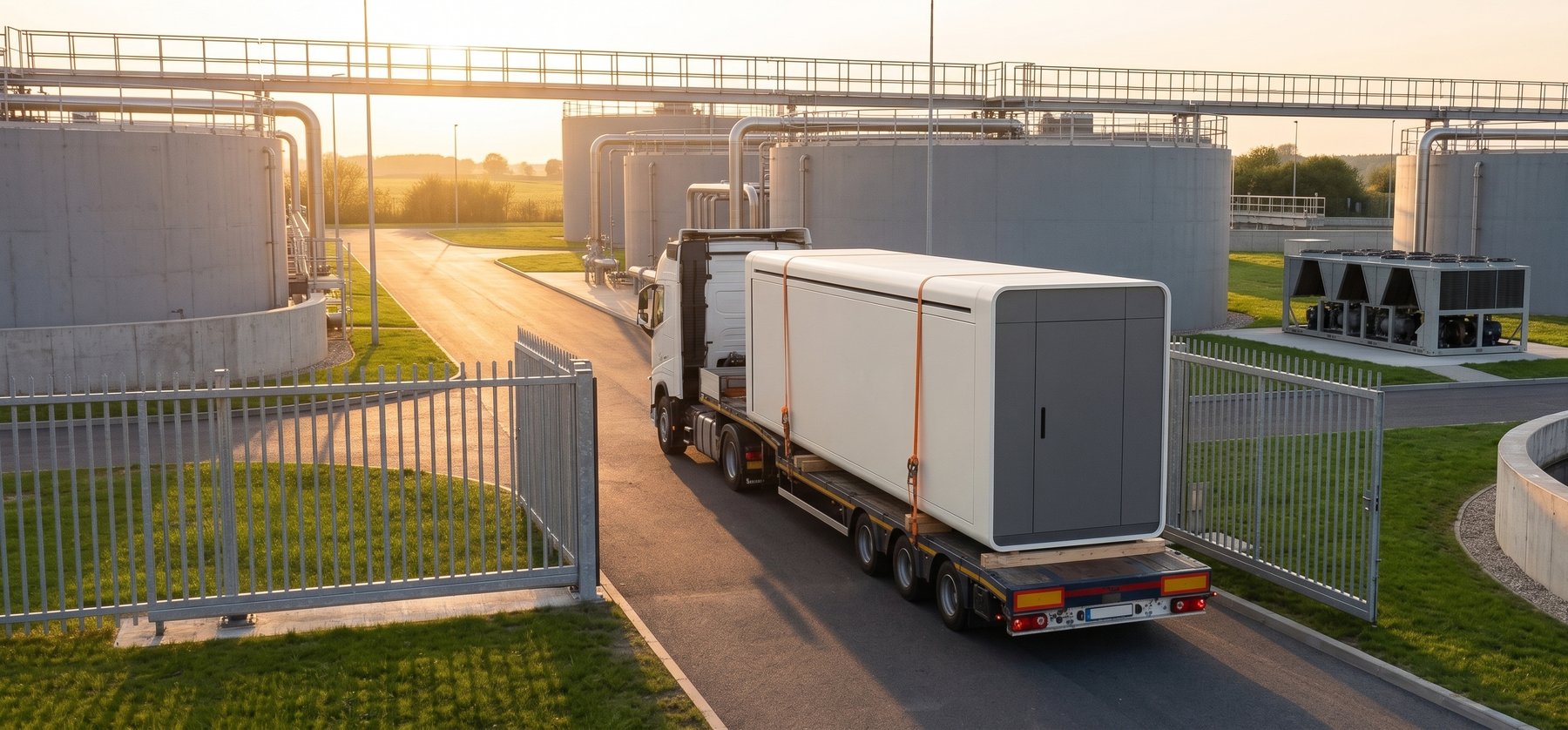
A 2 MW pod arrives as a sealed, factory tested unit. On site it takes three connections: power from the partner's existing service, coolant to their heat loop, and a fibre drop. The busway, breakers, switchgear, CDU, dry cooler, controls and fire suppression are already inside and tested.

NVIDIA brings the GB300 NVL72 racks and the allocation. Vertiv brings the powered and cooled pod as a factory integrated MegaMod class unit. Hydra Host brings the compute demand and the offtake. MicroLink carries the site, the host loop and the integration.

Pod capacity2 MW behind the meter
Compute~13 GB300 NVL72 racks · ~936 Blackwell Ultra GPUs
Heat returned~1.6 MW to the partner loop, below 45°C (113°F)
CoolingDirect to chip liquid · dry cooler always on the rejection path
EfficiencyERE reported alongside PUE
Signed partner to liveUnder 20 weeks once the design is locked
05 / The RunwayDistrict energy

Roughly 700 district energy systems in the country. About 250 can take a pod today.

250
Systems with the sustained headroom, a hot water loop and a fibre path to take an extra 2 MW behind the meter and return the heat. The rest qualify as the networks convert to low temperature hot water.
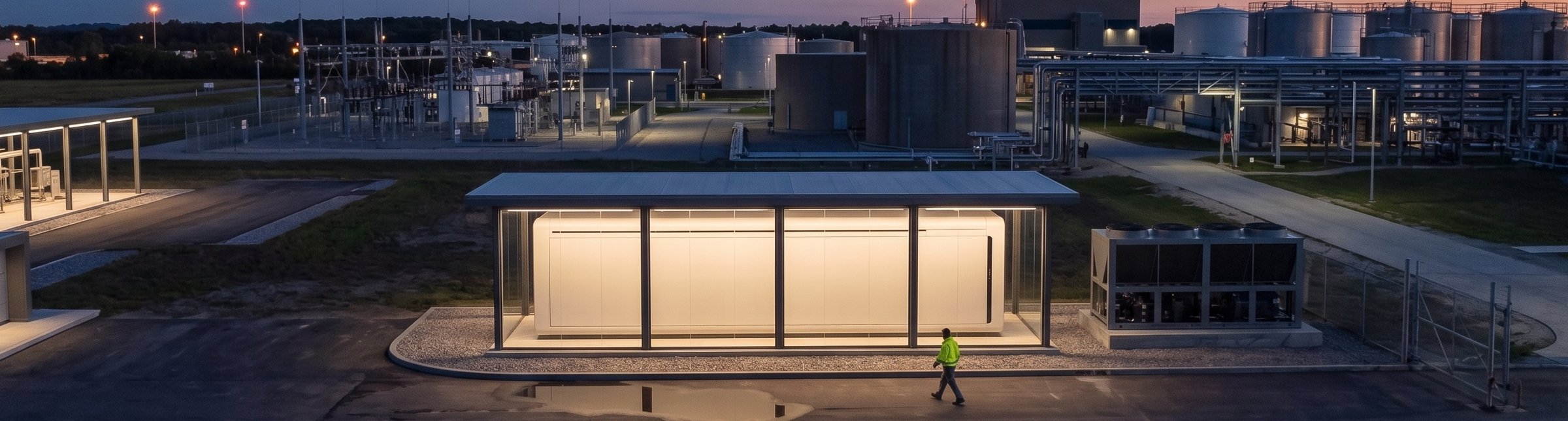
MicroLink pod behind glass at a wastewater treatment plant, digesters behind
Test 01

Headroom

About 2 MW free continuously inside the partner's contracted service, behind the meter.

Test 02

Heat sink

A hot water loop that takes warm water year round, or a small heat pump lift where it runs hotter.

Test 03

Fibre

A carrier or research drop on a concurrently maintainable path.

06 / The RolloutPod one to many

Prove one pod. Lock the design. Repeat it across the runway.

Phase 01

Qualify

Gate A on the first site: headroom, heat sink, fibre and a clean permit path.

weeks
Phase 02

First pod

Order, factory build, site prep in parallel, then connect and commission.

7 to 9 months, first of a kind
Phase 03

Framework

Design frozen with Vertiv and Hydra Host. Allocation and lead times set.

$12M per MW repeatable
Phase 04

Scale

Repeat pods across the qualified sites. Each one lands in under 20 weeks.

~250 site runway
07 / The NumberERE

A good PUE means you waste less running the building. It says nothing about the heat.

Energy Reuse Effectiveness
< 1.0

ERE counts the energy we give back. Below 1.0, a site returns more usable energy than it loses. The number this company exists to move.

Power Usage Effectiveness
PUE

PUE measures overhead inside the fence. On its own it can read excellent while the heat goes to waste. We report both, together.

08 / The AskSign off
District heating partner signs to

Host the pod
and take the heat

  • Provide about 2 MW at the agreed rate, behind the meter
  • Tie the pod into the district heating loop
  • Take partial ownership and run the site as operating partner
  • Receive the recovered heat free, and 100 kW of compute if wanted
Compute offtaker signs to

Take the capacity
and bring the silicon

  • Take the 2 MW of powered, cooled and connected capacity
  • Bring the GB300 racks and the NVIDIA allocation
  • Anchor the first pod, then the ramp
  • Go live in months, not the years a greenfield build takes